Figure 1 uses MurphySec's JAR scanner to quickly identify JAR packages containing vulnerable components.

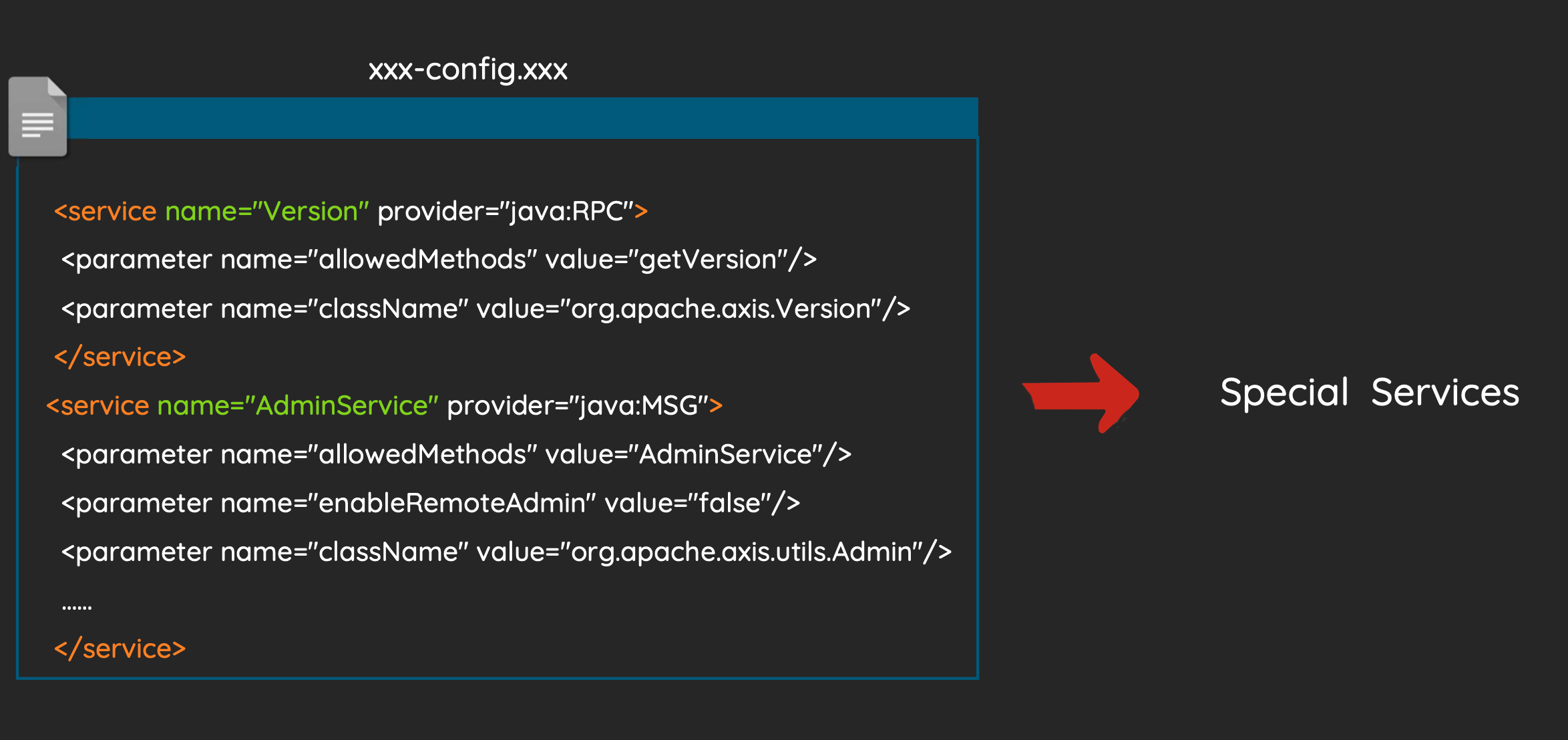
Figures 2 and 3 show why a quick audit should inspect unusual servlets or services declared in web.xml or an xxxService.xml file.


Figure 4 shows a routine shortcut for locating related classes during an audit.

Figure 5 shows two methods for batch decompilation.

Figure 6 shows how to find a list of routes through keyword searches.

Figure 7 shows a plugin for quickly finding endpoints when the code can be compiled, as is usually the case for open-source projects.

Figure 8 is a technique I learned from Skay: when debugging is possible, setting a breakpoint in this class can reveal route lists.

Figures 9 and 10 show a trick for bypassing authorization when suffixPatternMatch is TRUE.


Figure 11 shows a trick for bypassing authorization when setUseTrailingSlashMatch is true.

Figure 12 shows a Spring Security bypass scenario I learned from Sanmeng.

Figures 13 and 14 show several startsWith() and endsWith() authorization bypass techniques.


Figures 15 and 16 show a coding pattern that can bypass authorization when the destination of a forward is controllable.


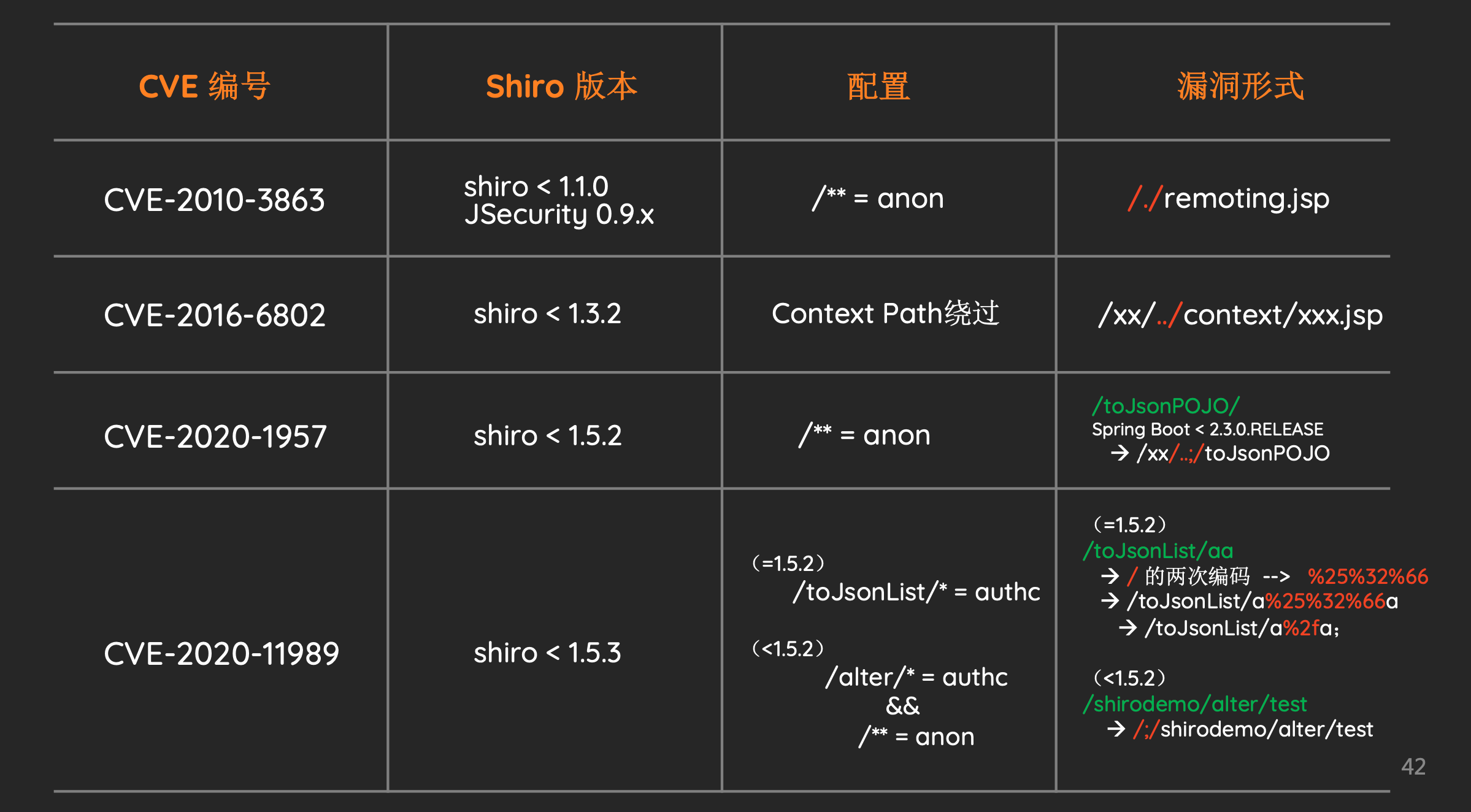
Figures 17 and 18 contain Shiro authorization-bypass tips collected by a researcher from Xianzhi.


Figure 19 presents several approaches for projects that use JWT authorization.

Figure 20 presents several ideas for fuzzing authorization bypasses.